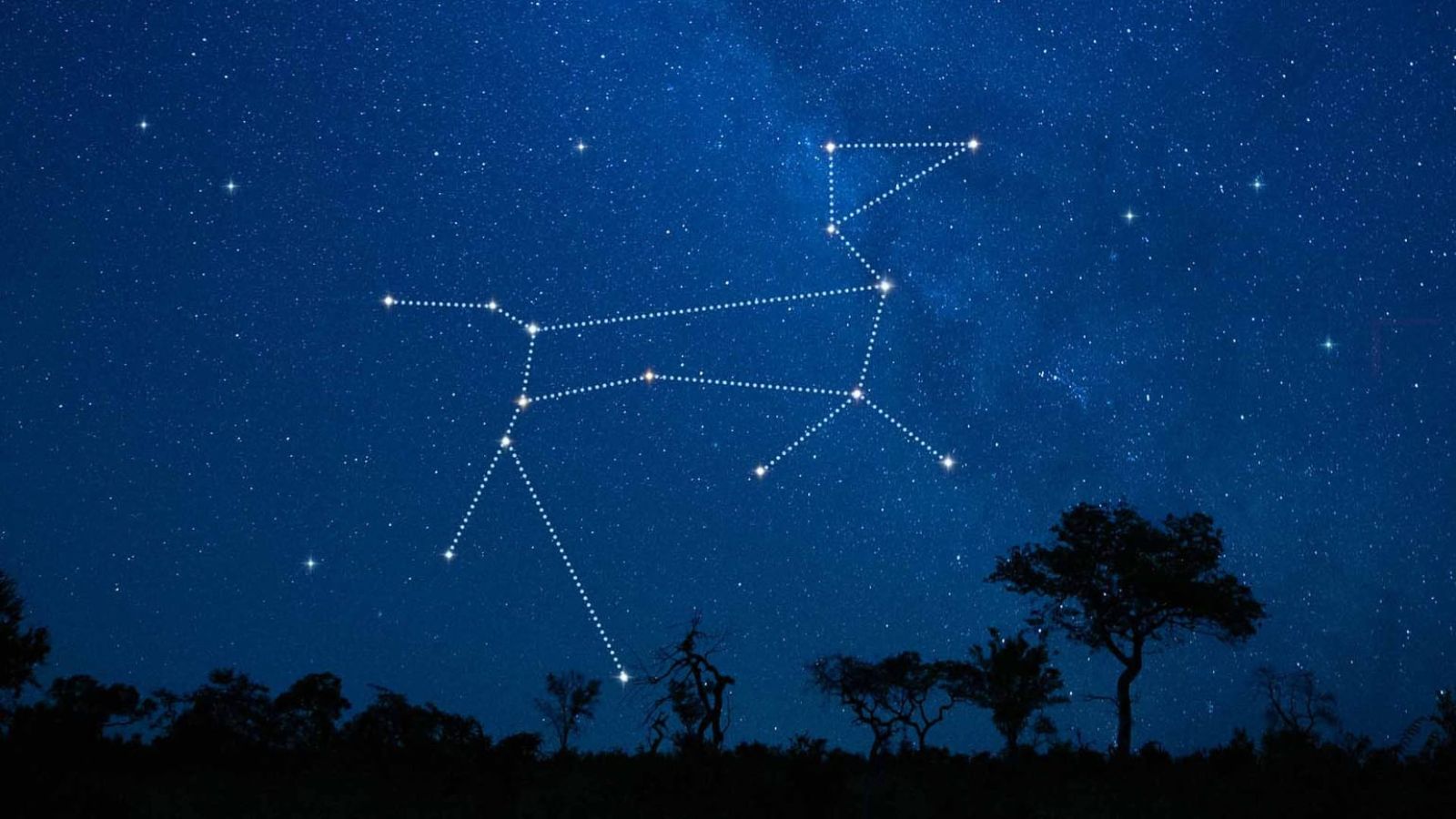
Many people associate the “dog days” of summer with panting pets and oppressive humidity. In reality, the phrase has nothing to do with dogs. Its origins lie in ancient astronomy and the movement of the stars.
The term refers to Sirius, the brightest star visible from Earth. Sirius is part of the constellation Canis Major, which gives it the nickname “Dog Star.” In late summer, Sirius appears to rise and set alongside the sun, a phenomenon known as heliacal rising.
Ancient civilizations, especially the Greeks and Romans, believed that the combined presence of the sun and Sirius intensified the heat of the season. They associated this period with extreme temperatures, drought, and occasional storms, attributing these conditions to the star’s influence.
The expression “dog days” entered English through the Latin phrase “dies caniculares,” meaning “days of the dog.” Although modern science explains summer heat through the tilt of the Earth rather than stellar alignment, the name has endured. Today, the term refers to the hottest stretch of summer, typically from early July to mid-August in the Northern Hemisphere, and remains a vivid reminder of how earlier cultures interpreted the natural world.
Picture Credits: https://starwalk.space/