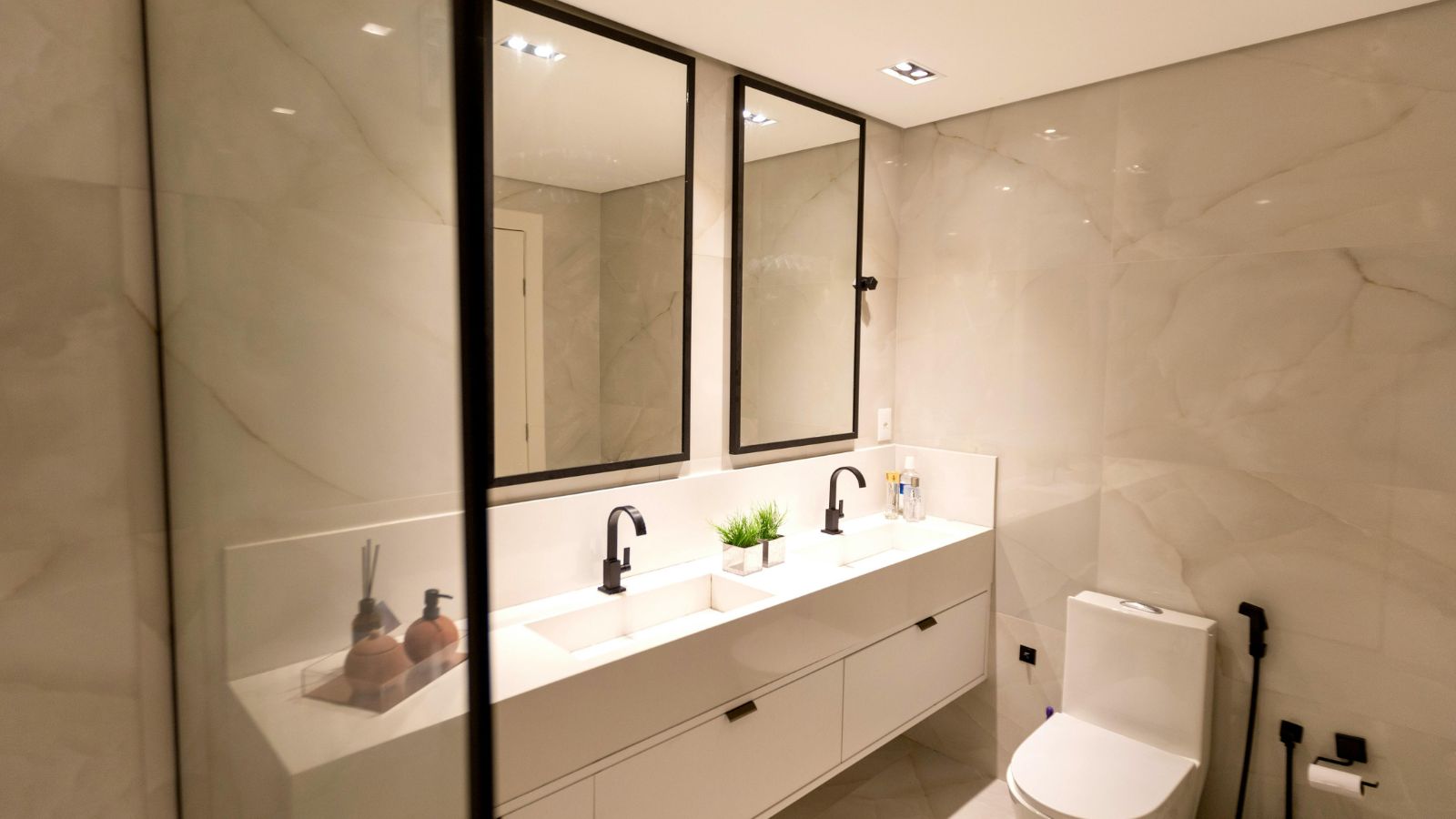
The words we use for something as ordinary as a toilet reveal surprising layers of history and cultural nuance.
“Loo” is a distinctly British term with debated origins. One popular theory traces it to Edinburgh’s medieval streets. Residents would shout “Gardyloo!”—a corruption of the French “Garez l’eau!”, meaning “watch out for the water!”—before hurling chamber pot contents from upper windows onto the cobblestones below. Over centuries, l’eau quietly contracted into “loo,” and the warning cry became the room itself. Another theory links it to Waterloo. British soldiers reportedly joked about visiting “the Waterloo” after seeing the name on iron cisterns manufactured near the famous battlefield. This is plausible, though unconfirmed.
“Restroom” is a distinctly American term that emerged in the late 19th and early 20th centuries, when public buildings such as department stores and theatres began designing more refined sanitation spaces where people could freshen up, not just relieve themselves. Some of these facilities included small lounges with seating and mirrors, allowing for genuine rest. Over time, the lounge functions often faded, but the name “restroom” remained, reflecting a broader cultural preference for genteel euphemism.
In the end, whether it’s the blunt practicality of “loo” or the softened civility of “restroom,” both terms reveal the same instinct: to dress even life’s most basic needs in the language of culture.