Category History

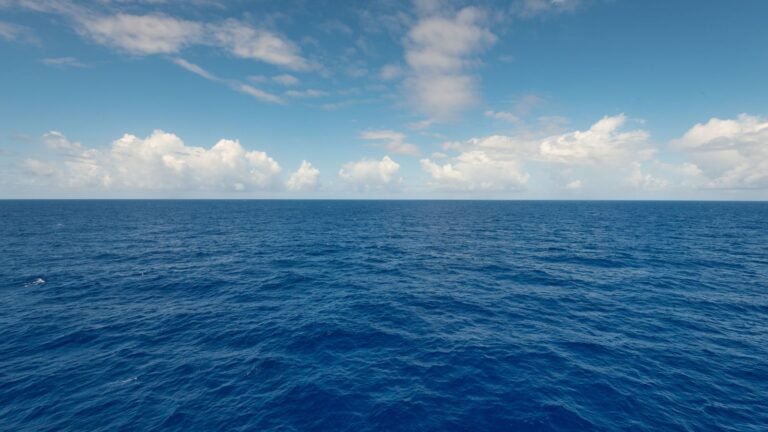
Why is the Pacific Ocean called “Pacific”?

The Pacific Ocean owes its name to the Portuguese explorer Ferdinand Magellan during his historic circumnavigation expedition in 1520. After battling fierce winds, towering waves, and dangerous currents while navigating the treacherous waters at the southern tip of South America,…

Why do coins have ridged edges?

If you look at any coin, you will notice tiny ridges around its edge. Ever wondered why they’re there? The feature, known as reeding, dates back to the 17th century when coins were made from precious metals such as gold…

Why are courtrooms draped in green cloth?

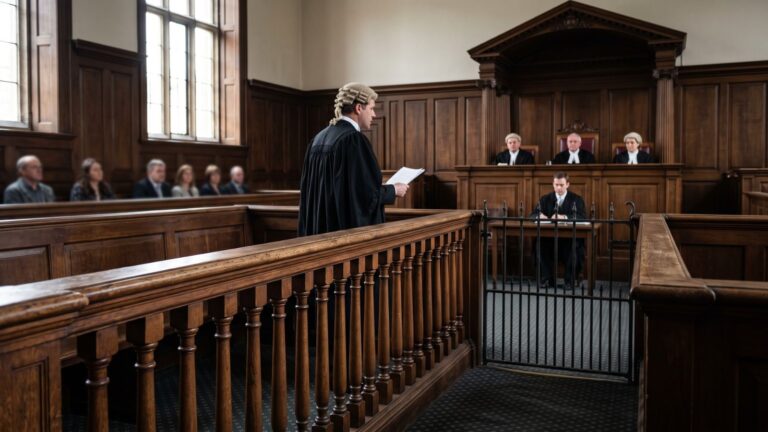
Walk into an old courtroom almost anywhere in the Commonwealth, and you may notice something curious. The judge’s bench, lawyers’ tables, and even witness stands are often covered with green cloth. It may seem like a decorative choice, but the…

How the Gunter chain changed land surveying forever

Long before laser rangefinders, GPS, and digital surveying instruments, land was measured with an ingenious device called the Gunter chain. For more than three centuries, it was the standard surveying tool across Britain, North America, and much of the British…

Why are distractions called red herrings?

A red herring is a misleading clue, argument, or piece of information that distracts people from the real issue. The term is widely used in detective fiction, debates, politics, and everyday conversations to describe an intentional diversion from the truth.…

The story of Amrutanjan and its visionary founder

Long before television commercials, social media campaigns, and celebrity endorsements, a small yellow balm won the trust of millions through word of mouth and free samples at public gatherings. Introduced in 1893 by freedom fighter, entrepreneur, and journalist Kasinadhuni Nageswara…