Category BackStory

Why do we say “loo” and “restroom”

The words we use for something as ordinary as a toilet reveal surprising layers of history and cultural nuance. “Loo” is a distinctly British term with debated origins. One popular theory traces it to Edinburgh’s medieval streets. Residents would shout…

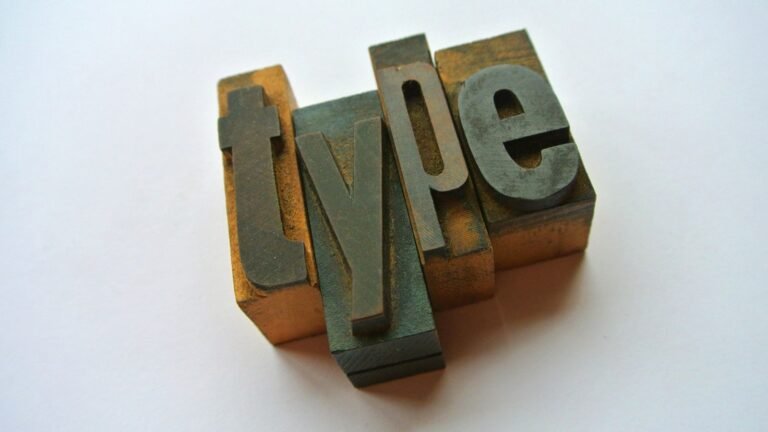
Ps, Qs, and the art of not messing up

The expression “mind your Ps and Qs” means to be careful about one’s behavior, manners, or language. Used today in offices, classrooms and dinner tables alike, it acts as a gentle reminder to stay polite and attentive, especially in social…

Why “run-of-the-mill” means nothing special

Most things in life are neither exceptional nor terrible, just average. That quiet middle ground is exactly what the expression “run-of-the-mill” captures. The phrase describes something ordinary, routine, or lacking special distinction. If a product, idea, or experience is called…

Why do we say “get down to brass tacks”?

The phrase “get down to brass tacks” means to set aside small talk and peripheral details in favor of the core issue. It marks a shift from preliminaries to substance, from generalities to specifics, and from polite conversation to focused…

Lorem Ipsum: the placeholder text that shaped design

The phrase Lorem Ipsum is a Latin fragment derived from De Finibus Bonorum et Malorum (“On the Ends of Good and Evil”), a philosophical work written by Marcus Tullius Cicero in 45 BC. The standard passage begins with “Neque porro quisquam est qui…

Why losing your job is called “getting fired”

To “get fired” means to be dismissed from a job, usually because of poor performance, misconduct, or dishonesty. While the phrase sounds modern, one popular explanation traces its roots to the harsh realities of industrial-era England. Historically, miners were itinerant…